How Strategy Shapes Table Games
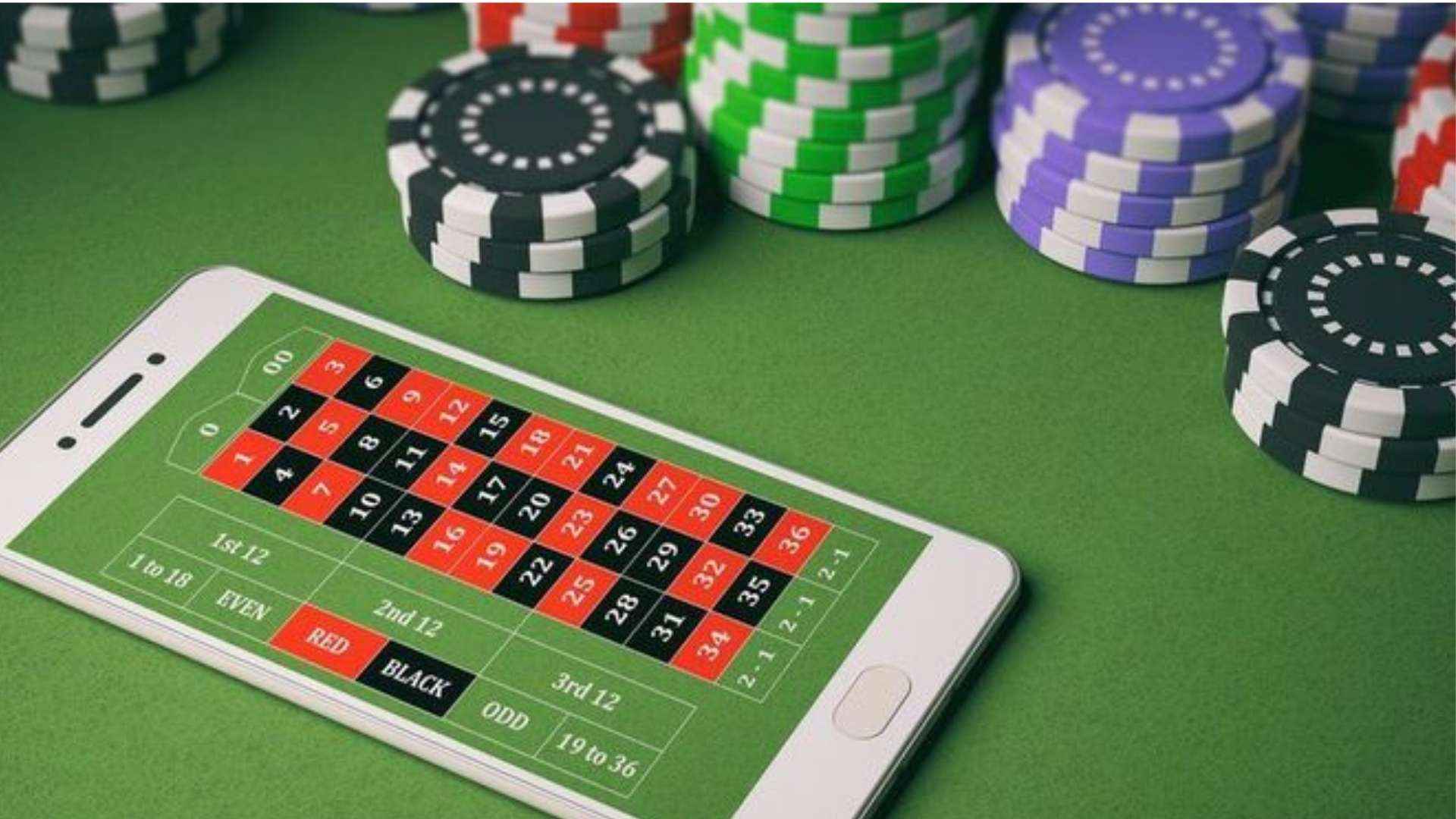
Table games have captivated players for generations, serving as a dynamic platform where intellect and chance collide. While luck determines the roll of the dice or the deal of a card, it is deliberate strategy that truly defines the trajectory of a session. Understanding how these tactical frameworks shape player decisions transforms casual gaming into a deep, intellectually stimulating experience.
The Core of Strategic Decision Making
Every decision made at a game table involves a careful assessment of risks versus potential rewards. Players must analyze the current state of the board, calculate mathematical probabilities, and anticipate their opponents' next moves. This continuous loop of action and adaptation keeps the mind sharp and elevates the overall competitive experience.
Unlike pure games of chance, strategic table options empower individuals to actively influence their outcomes. By adjusting tactics based on changing situations, players can mitigate bad luck and capitalize on favorable setups. This active participation is precisely what makes traditional tabletop gaming so enduringly popular.
Balancing Probability and Intuition
A major aspect of strategic play is finding the delicate balance between mathematical odds and psychological intuition. Successful players do not rely solely on cold numbers; they also read the behavioral cues of those sitting across from them. This blend of logic and human observation creates a highly layered environment where no two sessions are ever identical.
For those looking to transition from basic rules to advanced tactical planning, finding a reliable platform to practice is essential. Using a secure M88 login offers access to an array of strategic games where you can test different approaches in real-time. Developing this analytical mindset is the key to appreciating the true depth of traditional table entertainment.
The Evolution of Modern Tactical Play
As gaming design continues to evolve, modern table options are incorporating increasingly complex strategic mechanics. Players are no longer confined to simple linear pathways, but must instead manage multiple resources and competing objectives simultaneously. This shift has attracted a new generation of players who crave deep cognitive challenges.
These sophisticated designs ensure that winning is rarely the result of a single lucky turn. Instead, victory belongs to the player who can maintain a long-term vision while remaining flexible enough to handle short-term setbacks. Mastering this balance is what separates casual enthusiasts from true tabletop strategists.