Tag: Exclusive Rewards
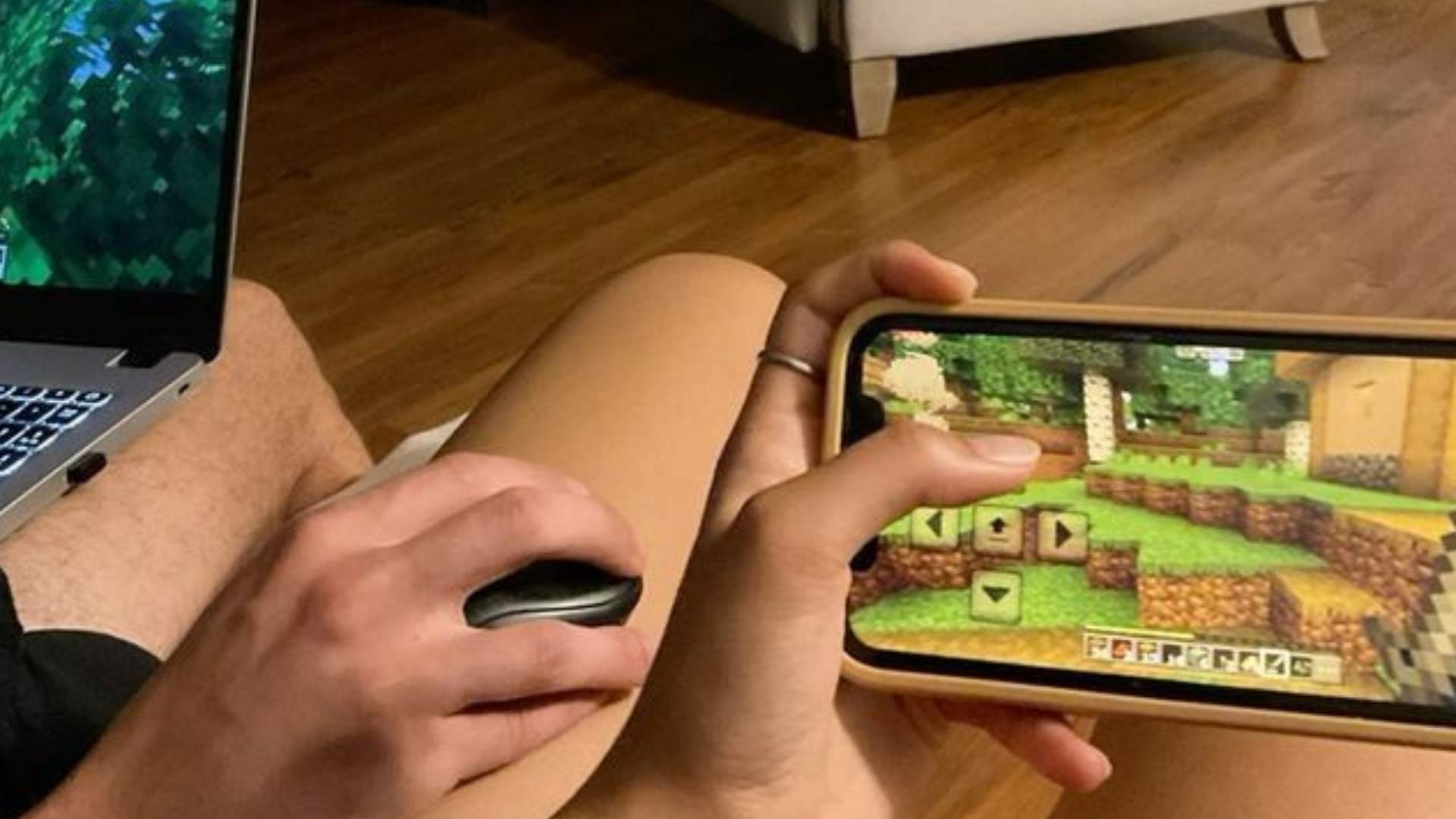
is plate up cross platform Cross Platform and...
The indie hit PlateUp! has captured the hearts of cooperative gaming fans with its chaotic blend of restaurant management and roguelite progression. As the game expands across various console platforms and PC storefronts, many players are eager to know how to connect with their friends on different devices. Understanding the current state of crossplay functionality is essential for planning your next collaborative culinary endeavor.
Current Crossplay Status Between PC and Consoles
As it stands, PlateUp! does not support full cross-platform multiplayer between PC users and console players. The developer has noted that developmental differences between the original PC build and the various console versions make direct crossplay a challenging feature to implement. Consequently, a player hosting a restaurant on a Nintendo Switch or PlayStation cannot invite a friend playing on Steam.
This split infrastructure means that multiplayer lobbies are largely restricted to players within the same specific ecosystem. While this limitation can be disappointing for split-platform friend groups, the core focus remains on optimization within each distinct platform. Gamers should keep this barrier in mind when deciding which system to purchase the title on for group sessions.
The Exception for PC Storefronts and Xbox
There is a notable exception to the strict platform boundaries when it comes to PC storefront ecosystem convergence. Crossplay functionality is actively supported between PC players using the Steam platform and those accessing the game through the Windows Store or PC Game Pass. This specific compatibility allows PC gamers to coordinate seamlessly regardless of which virtual launcher they prefer.
Furthermore, because the Windows Store ecosystem closely integrates with the Xbox architecture, limited crossplay exists between certain Xbox PC app versions and console counterparts. However, traditional Steam users still cannot connect directly to standard Xbox home consoles at this time. Knowing these nuances helps PC users navigate their invitation menus more effectively when setting up online matches.
Developmental Hurdles and Future Support
Managing ongoing updates across multiple platforms simultaneously creates a significant technical bottleneck for smaller indie development teams. Every single patch or piece of new content must be carefully adapted to meet the specific certification standards required by console manufacturers. These varying timelines often cause version disparities, which naturally disrupt the synchronized environment needed for stable cross-platform play.
Despite these current restrictions, the development team has expressed a strong desire to explore full crossplay solutions in future updates. Building a unified multiplayer infrastructure requires robust external server setups to act as neutral intermediaries between different hardware architectures. Fans are encouraged to follow official community channels for any future announcements regarding universal ecosystem updates.
Alternative Ways to Play Together
For players determined to enjoy the restaurant chaos with friends despite the lack of crossplay, local cooperative play remains an excellent choice. PlateUp! fully supports couch co-op options, allowing multiple participants to share a single screen using additional controllers on the same console or PC system. This traditional setup completely bypasses online networking restrictions and eliminates server latency issues.
Additionally, PC players can utilize external remote play features offered by specific game launchers to simulate a local connection over the internet. This method allows one player to host the session while streaming the visual output to a friend's device, enabling joint play even if only one person owns the copy. Exploring these creative alternatives ensures the collaborative kitchen fun doesn't have to stop.

Top Mahjong Tips for Daily Improvement
Mahjong is an intricate game of strategy, memory, and foresight that rewards players who dedicate time to sharpening their skills. While luck plays a role in the tiles you receive, consistent daily habits separate casual players from true masters. By focusing on small, actionable improvements every day, you can significantly elevate your strategic thinking and win rate.
Mastering Tile Efficiency Daily
The most reliable way to improve your game is to understand the mathematical efficiency of your tiles. Every turn requires a choice between keeping a versatile tile or discarding one that limits your future combinations. Practicing solo tile-sorting exercises for just ten minutes a day can train your eyes to spot hidden sequences much faster.
As you become more comfortable with basic structures, focus on reducing the time it takes to make your discards. Quick decision-making keeps your opponents from reading your hesitation and keeps the game flowing smoothly. Over time, this daily discipline builds strong tactical instincts that become second nature during high-stakes matches.
Observing Opponent Discards
Mahjong is as much about blocking your opponents as it is about building your own hand. Constantly monitoring the discard pool tells you exactly which tiles are safe to drop and which ones are highly contested. Making it a daily habit to track these patterns prevents you from accidentally throwing a winning tile to a rival.
Advanced players also watch how their opponents arrange their racks and how quickly they claim discarded pieces. If you want to test these observation skills in a modern digital environment, secure your M88 login to access active rooms and study diverse playing styles. Reviewing real-time strategies helps you learn to counter aggressive setups effectively.
Maintaining Mental Flexibility
One of the biggest mistakes developing players make is falling in love with their initial hand structure too early. If the tiles you need fail to appear, you must be willing to shift your strategy toward a defensive posture or a completely different scoring category. Evaluating your options objectively during every round prevents costly errors driven by stubborn planning.
Cultivating a calm and adaptable mindset ensures that a poor initial deal does not ruin your entire match. Dedicate time after your games to analyze where a hand went wrong and how a quick pivot might have saved your score. This daily reflection builds psychological resilience and prepares you for any scenario the table presents.
Establishing a Review Routine
True improvement happens when you actively learn from both your victories and your structural mistakes. Take a few moments after every session to write down or recall the pivotal turning points of the match. Identifying repeating habits or common oversight patterns allows you to deliberately correct them in your next session.
Consistency is the ultimate key to transforming your approach to this timeless intellectual pursuit. Exploring different regional variations of the rules can also broaden your understanding of hand dynamics and scoring potential. By embracing a structured learning journey step by step, your confidence and table awareness will grow exponentially every day.