Recent Post

How Five Card Draw Became a Classic ...
Before modern variations like Texas Hold'em dominated the global spotlight, Five Card Draw stood as the quintessential game of choice for generations of players. Its simple mechanics and focus on psychological warfare helped cement its place in cultural history. Today, this classic format remains a beloved starting point for anyone looking to understand the core elements of poker strategy.
The Simplest Form of Poker Strategy
At its heart, Five Card Draw is highly regarded because of its straightforward gameplay loop. Each participant receives five private cards, with a single opportunity to discard and draw new ones to improve their hand. This minimal complexity allows players to focus entirely on reading opponents rather than tracking complicated board textures.
Because there are no community cards or exposed holdings, information is incredibly scarce during a hand. This lack of visible data forces players to rely heavily on betting patterns and physical tells. Consequently, mastering this format requires a sharp analytical mind and excellent situational awareness.
A Legacy Born in the American Frontier
The historical journey of Five Card Draw is deeply intertwined with the expansion of the American frontier during the nineteenth century. It quickly became a favorite pastime in saloons and on riverboats along the Mississippi River. The game's fast-paced nature and potential for dramatic bluffs made it perfect entertainment for adventurous travelers.
As communities grew, the game transitioned from dusty frontier outposts to formal gaming clubs and private households. For many families, this format was the very first introduction to card games. To safely practice your strategy and enjoy modern gaming opportunities online, registering via a reliable M88 login can connect you to excellent platforms.
The Psychology of the Draw and the Bluff
The draw phase is where the true strategic depth of the game reveals itself to seasoned players. Deciding how many cards to discard is a powerful tool for deception. For example, drawing only one card often represents a strong drawing hand like a flush or straight draw, regardless of what you actually hold.
Bluffing in Five Card Draw is uniquely challenging because your hand remains completely hidden until the showdown. Without any public cards to lean on, your betting story must be entirely convincing from start to finish. This creates intense mental duels that are rarely matched in other poker variants.
Why the Classic Format Still Matters Today
While community card games currently rule televised tournaments, the legacy of Five Card Draw is far from forgotten. It serves as the mathematical foundation for video poker machines found in casinos worldwide. Understanding the probabilities of the draw remains crucial for anyone looking to transition into these digital formats.
Furthermore, teaching beginners this classic game helps them grasp hand rankings and basic betting structures without being overwhelmed. It strips away the noise of modern variations to focus on the pure joy of the game. For this reason, Five Card Draw will always maintain its status as an timeless classic in the gaming world.

Top Mahjong Tips for Daily Improvement ...
Mahjong is an intricate game of strategy, memory, and foresight that rewards players who dedicate time to sharpening their skills. While luck plays a role in the tiles you receive, consistent daily habits separate casual players from true masters. By focusing on small, actionable improvements every day, you can significantly elevate your strategic thinking and win rate.
Mastering Tile Efficiency Daily
The most reliable way to improve your game is to understand the mathematical efficiency of your tiles. Every turn requires a choice between keeping a versatile tile or discarding one that limits your future combinations. Practicing solo tile-sorting exercises for just ten minutes a day can train your eyes to spot hidden sequences much faster.
As you become more comfortable with basic structures, focus on reducing the time it takes to make your discards. Quick decision-making keeps your opponents from reading your hesitation and keeps the game flowing smoothly. Over time, this daily discipline builds strong tactical instincts that become second nature during high-stakes matches.
Observing Opponent Discards
Mahjong is as much about blocking your opponents as it is about building your own hand. Constantly monitoring the discard pool tells you exactly which tiles are safe to drop and which ones are highly contested. Making it a daily habit to track these patterns prevents you from accidentally throwing a winning tile to a rival.
Advanced players also watch how their opponents arrange their racks and how quickly they claim discarded pieces. If you want to test these observation skills in a modern digital environment, secure your M88 login to access active rooms and study diverse playing styles. Reviewing real-time strategies helps you learn to counter aggressive setups effectively.
Maintaining Mental Flexibility
One of the biggest mistakes developing players make is falling in love with their initial hand structure too early. If the tiles you need fail to appear, you must be willing to shift your strategy toward a defensive posture or a completely different scoring category. Evaluating your options objectively during every round prevents costly errors driven by stubborn planning.
Cultivating a calm and adaptable mindset ensures that a poor initial deal does not ruin your entire match. Dedicate time after your games to analyze where a hand went wrong and how a quick pivot might have saved your score. This daily reflection builds psychological resilience and prepares you for any scenario the table presents.
Establishing a Review Routine
True improvement happens when you actively learn from both your victories and your structural mistakes. Take a few moments after every session to write down or recall the pivotal turning points of the match. Identifying repeating habits or common oversight patterns allows you to deliberately correct them in your next session.
Consistency is the ultimate key to transforming your approach to this timeless intellectual pursuit. Exploring different regional variations of the rules can also broaden your understanding of hand dynamics and scoring potential. By embracing a structured learning journey step by step, your confidence and table awareness will grow exponentially every day.

Top Ranked Solitaire Games This Year ...
Solitaire has long been a staple of solo gaming, offering players a wonderful escape that combines strategic depth with peaceful relaxation. As digital card gaming continues to evolve, this year has seen an incredible rise in polished versions that cater to both purists and modern audiences. Discovering which versions have captured the attention of players worldwide helps enthusiasts find the best experiences currently available online.
The Undefeated King of Classic Solitaire
Classic Klondike remains the most frequently played solo card game on the internet this year. Players love its straightforward rules, where the main objective is to build four foundation piles from Ace to King by sorting cards in alternating colors. Modern web versions have perfected this formula by adding helpful options like unlimited undos and smart hint systems that make the learning curve incredibly gentle for newcomers.
The popularity of classic rules has also inspired developers to integrate beautiful custom backdrops and card designs to personalize each session. Whether you prefer a clean digital tabletop or an elaborate garden theme, the classic variation provides endless hours of mental stimulation. Engaging with these popular digital platforms, including finding a secure M88 login, allows gamers to explore diverse card challenges and refine their personal playing styles in their free time.
The Rise of Skill-Based FreeCell
FreeCell has surged in the rankings this year due to its unique reputation as a nearly one hundred percent winnable puzzle. Unlike other variations that rely heavily on the luck of the draw, FreeCell deals all fifty-two cards face-up at the very beginning of the match. This complete transparency allows strategic thinkers to plan multiple steps ahead, utilizing the four temporary holding cells to carefully rearrange columns.
Experienced players appreciate that victory or defeat rests entirely on their tactical choices rather than random chance. This high level of control has made FreeCell the top choice for competitive players who enjoy tracking their personal win streaks. Various updated editions now offer detailed performance statistics, allowing players to monitor their average completion times and move efficiency.
Spider Solitaire Challenges Experienced Minds
For those seeking a more complex and demanding card experience, Spider Solitaire has secured a top rank among enthusiast communities. Utilizing two full decks of cards, players must arrange ten columns into descending sequences of the same suit before they are automatically cleared. The game features adjustable difficulty levels, ranging from a relaxed single-suit layout to a highly challenging four-suit system.
The multi-suit mode requires immense foresight, as players must constantly balance uncovering hidden cards with maintaining clean columns. Navigating these dense webs of cards provides a deep sense of accomplishment that simple layouts cannot replicate. It remains the ultimate test of patience and logic for dedicated solitaire lovers seeking to push their cognitive skills to the limit.
How Strategy Shapes Table Games ...
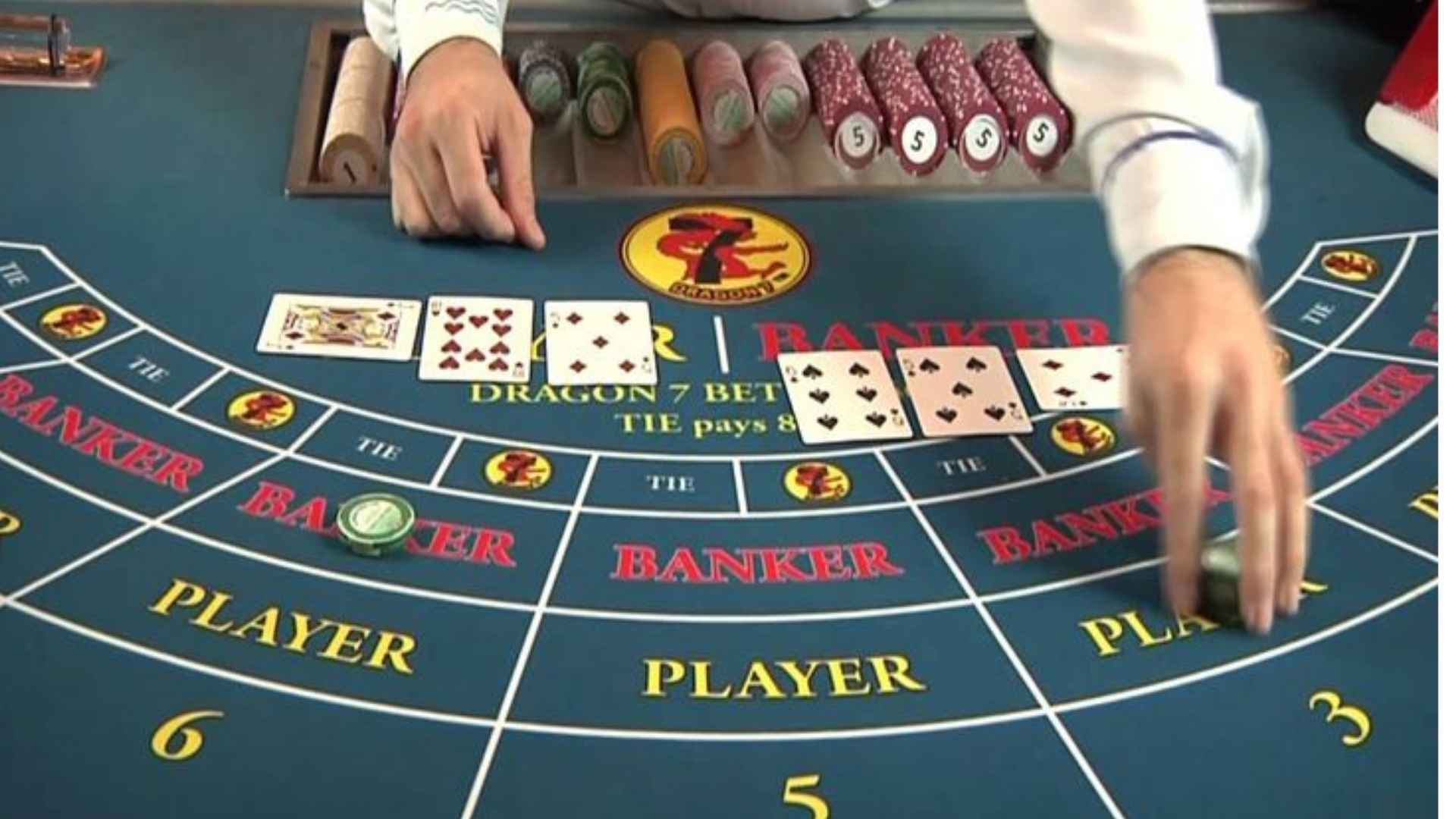
Table games have captivated players for generations, serving as a dynamic platform where intellect and chance collide. While luck determines the roll of the dice or the deal of a card, it is deliberate strategy that truly defines the trajectory of a session. Understanding how these tactical frameworks shape player decisions transforms casual gaming into a deep, intellectually stimulating experience.
The Core of Strategic Decision Making
Every decision made at a game table involves a careful assessment of risks versus potential rewards. Players must analyze the current state of the board, calculate mathematical probabilities, and anticipate their opponents' next moves. This continuous loop of action and adaptation keeps the mind sharp and elevates the overall competitive experience.
Unlike pure games of chance, strategic table options empower individuals to actively influence their outcomes. By adjusting tactics based on changing situations, players can mitigate bad luck and capitalize on favorable setups. This active participation is precisely what makes traditional tabletop gaming so enduringly popular.
Balancing Probability and Intuition
A major aspect of strategic play is finding the delicate balance between mathematical odds and psychological intuition. Successful players do not rely solely on cold numbers; they also read the behavioral cues of those sitting across from them. This blend of logic and human observation creates a highly layered environment where no two sessions are ever identical.
For those looking to transition from basic rules to advanced tactical planning, finding a reliable platform to practice is essential. Using a secure M88 login offers access to an array of strategic games where you can test different approaches in real-time. Developing this analytical mindset is the key to appreciating the true depth of traditional table entertainment.
The Evolution of Modern Tactical Play
As gaming design continues to evolve, modern table options are incorporating increasingly complex strategic mechanics. Players are no longer confined to simple linear pathways, but must instead manage multiple resources and competing objectives simultaneously. This shift has attracted a new generation of players who crave deep cognitive challenges.
These sophisticated designs ensure that winning is rarely the result of a single lucky turn. Instead, victory belongs to the player who can maintain a long-term vision while remaining flexible enough to handle short-term setbacks. Mastering this balance is what separates casual enthusiasts from true tabletop strategists.

Dominoes Practice Drills for Better Results ...
Many casual dominoes players rely entirely on luck, but dedicated enthusiasts understand that structured training is the key to consistent victory. Integrating specific practice drills into your routine helps sharpen your tactical foresight and enhances your ability to read the board layout dynamically. By committing to targeted exercises, you can transition from simple tile matching to masterfully predicting your opponent's upcoming moves.
The Solo Hand Allocation Drill
This fundamental drill focuses on card-counting concepts applied directly to tiles to help you track remaining numbers. You begin by dealing yourself a standard hand of seven tiles and spreading the rest of the deck face up on the table. Your objective is to quickly identify which suits are heavily represented in your hand compared to what remains in the boneyard.
Repeating this exercise daily trains your brain to notice missing numbers instantly during a live game. Developing this split-second recognition prevents you from falling into traps where you accidentally play into an opponent's strong suit. It establishes a strong baseline for advanced defensive techniques used by seasoned competitors worldwide.
Simulating the Block Scenario
To master the art of defensive play, you should set up simulated end-game scenarios where options are highly restricted. Place ten tiles on the board in a sprawling chain and try to find the absolute best move to block further progression using your remaining hand. This teaches you how to maintain control when you do not have the luxury of drawing from the boneyard.
While testing these strategic limits in tabletop gaming, players often compare the intense mental calculation to classic modern tabletop apps. Exploring online gaming platforms like M88 casino can offer excellent digital arenas to observe how automatic systems or experienced players execute these blocking methods. Transitioning back to physical tiles with these digital insights makes your real-life tactics significantly more unpredictable and lethal.
The Double Disposal Exercise
Getting stuck with heavy double tiles at the end of a match is one of the most common ways to lose valuable points. In this specific drill, you practice scenarios where you purposely hold three doubles and must find paths to discard them safely. You will learn to recognize when to take calculated risks and when to play defensively to protect your score.
This exercise emphasizes the importance of fluid adaptability over rigid opening plays. By forcing yourself to play from a disadvantaged position, you become highly resilient when facing aggressive opponents. Over time, managing heavy hands becomes second nature, ensuring that even your losses are kept to a minimum.
Mental Mapping and Memory Drills
A true master of dominoes does not just look at their own tiles; they actively map the entire board in their mind. You can practice this by turning over played tiles after each turn and trying to recall the exact sequence of numbers. This memory-building technique significantly boosts your cognitive stamina during long, multi-round tournament sessions.
Combine this visualization drill with careful observation of your practice partner's passing patterns to reconstruct their hidden hand. Knowing precisely what your opponent holds allows you to dictate the pace of the match with absolute confidence. Consistent dedication to these exercises guarantees noticeable improvements in your overall win rate.
Understanding Probability in Wheel Games ...
Wheel games have captured the fascination of enthusiasts for centuries, offering an incredible blend of visual anticipation and immediate outcomes. Whether you are watching a massive prize wheel turn at a local festival or engaging with digital versions on your favorite gaming platform, the core principles governing these games remain entirely mathematical. Understanding how probability operates behind each rotation is the first major step toward appreciating these games with a mature and analytical perspective.
The Mathematical Core of the Spin
Every wheel game is built upon a fundamental branch of mathematics known as probability, which calculates the likelihood of specific outcomes. The wheel itself is divided into a set number of physical or digital pockets, each representing a unique outcome, prize, or multiplier. To find the true chance of landing on any specific segment, you simply divide the number of target segments by the total number of segments available on the wheel.
For example, if a simplified promotional wheel has twenty equal-sized slots and only one of them holds the grand jackpot, your mathematical probability of hitting that segment is exactly one in twenty. This translates to a flat five percent chance on every single attempt, regardless of how many times you have spun before. Recognizing this static nature of probability helps players manage their expectations and appreciate the true design of the game.
Independent Events and the Gambler Fallacy
One of the most common cognitive traps in gaming is believing that past results influence what will happen in the next spin of the wheel. In probability theory, each individual spin is considered an independent event, meaning the wheel possesses absolutely no memory of previous outcomes. If a specific color or number has appeared several times in a row, the probability of it landing on the very next spin remains completely unchanged.
This mental trap is widely known as the gambler fallacy, and overcoming it is vital for maintaining a healthy and strategic approach to any game. Many players mistakenly believe a certain segment is overdue to hit, leading to rash decisions and undisciplined bankroll management. By accepting that every spin resets the mathematical clock, you can enjoy the entertainment value without falling into common psychological traps.
Analyzing Payouts and the House Edge
In commercial gaming setups, the payouts offered for winning segments do not perfectly match the true mathematical probability of hitting them. This minor discrepancy is where the house edge is born, ensuring that the platform remains sustainable over millions of collective spins. When exploring digital options, platforms like the M88 casino display these exact payout structures clearly so players can make informed choices. Knowing how these percentages are balanced allows you to compare different wheel variants and select the ones with the most favorable terms.
To calculate your long-term expectations, players often look at the return-to-player percentage, which indicates how much a game pays back over time. A wheel with fewer high-risk pockets and more consistent, small-value segments generally offers a smoother experience with lower volatility. Balancing your playing style between high-reward segments and high-probability segments is a smart way to align your sessions with your personal risk tolerance.
Smart Practices for Responsible Play
Since wheel-based games are ultimately driven by random outcomes and mathematical design, no strategy can guarantee a win on any given spin. Therefore, the most effective strategy you can employ is strict personal discipline and bankroll management before the first spin even begins. Set clear boundaries for your time and budget, viewing any potential payout as a pleasant bonus rather than a guaranteed result.
Modern online systems utilize advanced certified random number generators to ensure that every virtual spin mimics the absolute randomness of a physical wheel. By choosing licensed platforms and focusing heavily on the recreational aspect of the experience, you can safely navigate the digital gaming landscape. Enjoy the bright colors, embrace the mathematical suspense of the rotation, and let probability run its natural, unpredictable course.

Live Casino Sessions Made Simple ...
The world of online gaming has evolved dramatically, bringing the authentic atmosphere of a land-based venue directly to personal devices. For many newcomers, navigating real-time tables can seem intimidating due to the fast pace and various interface options. However, streamlining your approach can transform these dynamic sessions into straightforward and highly enjoyable entertainment.
Streamlining the Digital Interface
Modern platforms design their streaming layouts to prioritize user clarity and ease of navigation. Simple overlays allow players to view betting minimums, game history, and clear digital chips without cluttering the screen. This thoughtful design ensures that participants can focus entirely on the live interaction rather than struggling with complex controls.
Choosing a reliable platform is an essential first step toward a hassle-free experience. Beginners often prefer highly rated environments like the M88 casino, which offers intuitive navigation alongside professional real-time dealers. A clean interface effectively removes unnecessary distractions, making every round feel accessible and efficient.
Mastering Basic Gameplay Etiquette
Interacting with real human dealers and other players is a major highlight of live streams. Most platforms include a built-in chat function, allowing participants to ask questions or celebrate wins in real time. Keeping communication polite and concise helps maintain a welcoming atmosphere for everyone at the table.
Understanding the standard game flow also prevents confusion during rapid rounds. Dealers follow strict procedural rules, meaning your betting windows are timed precisely. Familiarizing yourself with these schedules beforehand ensures that you can make your decisions confidently without feeling rushed.
Practical Rules for Budget Management
Approaching your online entertainment with a structured plan is vital for keeping sessions clear and stress-free. Setting a defined bankroll before logging in helps establish firm boundaries for your activity. This disciplined habit allows you to enjoy the physical-world realism without worrying about unexpected financial choices.
It is generally wise for beginners to select tables that accommodate low minimum wagers. This conservative strategy maximizes your overall playing time while you get used to the pace of the dealer. By combining a strict budget with straightforward gameplay, you can fully appreciate the true convenience of modern digital entertainment.

Slot Games with Interactive Bonus Rounds ...
The landscape of online casino gaming has transformed dramatically over recent years, shifting from simple mechanical reel simulations into immersive, digital entertainment platforms. Among the most popular innovations driving this change are online slot machines that incorporate fully interactive bonus features. These dynamic elements give players a break from regular spinning mechanics, allowing them to participate in the storytelling and directly influence the pacing of their session.
How Interactive Bonus Features Work
Unlike traditional bonus models that run automatically, interactive mechanics require players to make choices that reveal different rewards. When specific symbols land on the grid, the game changes format and moves away from the standard reels into a specialized mini-game screen. This transition adds a layer of depth and personal engagement, making each successful trigger feel like a unique milestone during gameplay.
Many modern developers design these sequences to look and feel like classic arcade games or cinematic adventure scenes. Common examples include picking hidden objects from a thematic map, spinning prize wheels, or uncovering mystery cards to stack multipliers. These features do not alter the core algorithmic fairness of the title, but they drastically improve retention by keeping the gameplay loop fresh.
Popular Formats of In Game Mini Games
One widely recognized format is the classic pick and click mechanic, where players select specific items on screen until a stopping symbol appears. For instance, vampire themed games might ask you to open coffins to find cash values, while adventure slots might require choosing paths through an ancient temple. This presentation rewards player curiosity and seamlessly reinforces the overarching story of the game.
Another engaging choice is the multi stage wheel bonus, which layers anticipation through physical movement and sudden shifts in sound design. Players trigger a spin to advance across different prize levels, sometimes unlocking a chance to target a progressive jackpot feature. Finding high quality platforms like M88 casino can give you easy access to premium titles showcasing these innovative layouts.
The Value of Secondary Gameplay Loops
Integrating these features provides structural variety that prevents long playing sessions from feeling repetitive or monotonous. Instead of focusing entirely on basic line connections, players have a realistic goal to chase on any given random spin. The psychological sense of achievement gained from entering a hidden stage often matches the excitement of landing a massive payout pattern.
Additionally, these mini games are built to be accessible to a wide audience without requiring complex instructions or physical skills. The system handles the back-end calculations automatically while providing colorful animations that guide the player through each decision step. This perfect balance between simple entertainment and lively surprise continues to solidify their popularity in the global gaming market.

Best Board Games for Weekend Parties ...
Hosting a memorable weekend gathering often requires the perfect icebreaker to get guests talking, laughing, and interacting. While music and snacks lay the foundation, introducing a dynamic tabletop game can instantly elevate the energy in the room. Selecting titles that accommodate large groups and offer quick setups ensures that everyone stays entertained from the moment they arrive.
The Critical Role of Social Interaction in Party Gaming
The primary goal of any social event is to foster genuine connections and break down barriers between different friend groups. The right tabletop choices focus heavily on lively discussions, lighthearted deception, and hilarious public declarations rather than complex arithmetic. These experiences encourage natural mingling, making them ideal tools for turning acquaintances into lifelong friends over the course of an evening.
For hosts looking to introduce high-stakes excitement and unpredictable outcomes to their events, drawing inspiration from modern digital platforms can offer a unique twist. Exploring the engaging atmospheres found at an online hub like M88 casino can inspire new ways to introduce suspense and friendly wagering to your living room. Ultimately, the best gatherings blend structured activities with plenty of open space for spontaneous moments and continuous laughter.
Selecting Accessible Mechanics for Diverse Crowds
When entertaining a large group, it is essential to pick titles that boast minimal learning curves and rapid turn rotations. Games requiring lengthy rule explanations or significant downtime can quickly drain the momentum of a lively room. Focusing on hidden roles, quick reflexes, or absurd voting criteria keeps participants fully invested even when it is not explicitly their turn to act.
Furthermore, prioritizing visual components and open-ended prompts encourages quieter guests to step out of their comfort zones comfortably. Fast-paced card matching or collaborative storytelling options allow people to contribute as much or as little as they want. This versatility ensures that competitive strategists and casual observers can share the same space without feeling overwhelmed.
Streamlining Your Setup for Maximum Weekend Fun
Preparation is key to maintaining a seamless flow throughout the night, so choosing titles with minimal tracking pieces is highly recommended. Utilizing digital companion apps or simple deck-based setups prevents accidental spills or lost components from halting the festivities. A streamlined presentation lets the host focus entirely on managing the social dynamics and keeping the energy high.
It is also beneficial to establish a dedicated playing area that allows bystanders to watch and cheer comfortably from the sidelines. Creating a spectator-friendly environment transforms a simple game night into a theatrical centerpiece for the entire party. By focusing on shared experiences and simple rules, your next weekend gathering will undoubtedly be remembered for years to come.
Number Games That Reward Smart Decisions ...
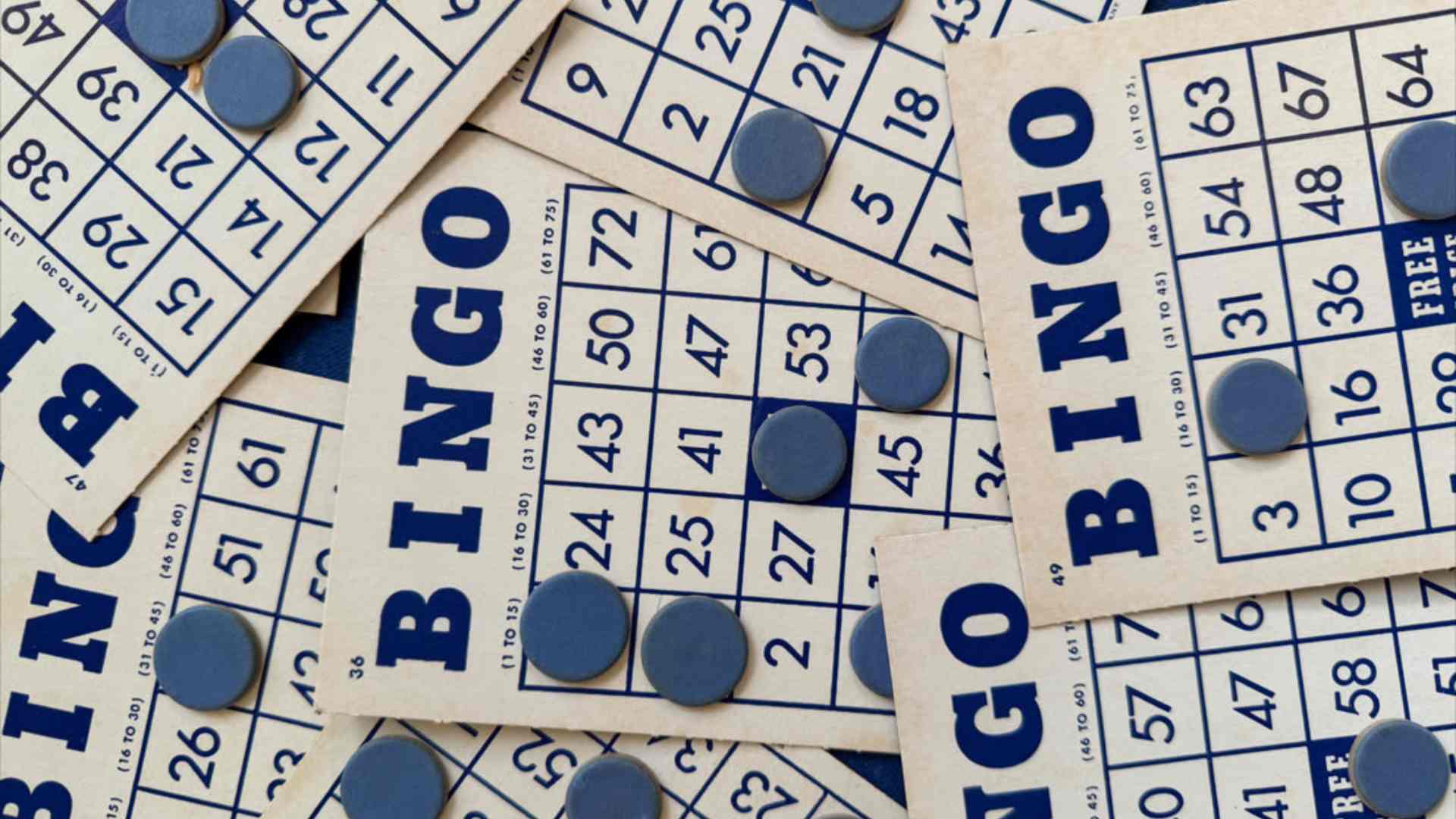
The human brain is naturally wired to seek out patterns and solve complex equations, making numerical entertainment a timeless pursuit. Modern puzzles have evolved significantly, shifting away from predictable arithmetic drills toward highly dynamic platforms that demand deep tactical foresight. Engaging with these advanced logic frameworks provides players with an exceptional path to elevate cognitive agility while refining their daily analytical capabilities.
The Shift From Luck to Calculated Strategy
Many traditional pastimes rely heavily on chance or random generation, which can limit long-term mental engagement. In contrast, number-based challenges offer transparent environments where outcomes are determined solely by the choices you make. Success in this field requires careful assessment of numerical variables and a commitment to structured problem-solving.
By prioritizing methodical deduction over hasty guessing, participants can discover unique pathways toward resolving highly complicated grids. Finding dependable resources and platforms can significantly shorten your learning curve as you explore these frameworks. Platforms such as M88 casino offer helpful entry points to understand complex risk distribution and structural mechanics. Developing a structured approach ensures that each session remains intellectually fulfilling.
Enhancing Cognitive Performance Through Deductive Logic
Regular interaction with sophisticated logic puzzles activates critical areas of the brain responsible for structural organization and fluid intelligence. As you evaluate spatial patterns and number sequences, your working memory actively expands to process information more efficiently. This active optimization has a compounding effect, boosting your overall focus and executive functions over time.
Furthermore, these activities teach players how to approach massive challenges by breaking them down into minor, manageable sections. This systematic breakdown reduces cognitive overload and helps maintain high motivation levels even during tough scenarios. Cultivating this mental discipline provides significant advantages that extend far beyond digital applications.
Cultivating Patience and Emotional Regulation
Tackling advanced numerical tasks introduces structured friction, which serves as an excellent tool for training emotional endurance. When progress stalls, successful thinkers avoid impulsive decisions and instead audit their past steps to identify logical inconsistencies. This practice transforms potential frustration into a constructive lesson in adaptability and resilience.
Over time, this deliberate habit helps individuals remain analytical and calm under various forms of external pressure. The quiet confidence gained from solving a difficult sequence provides genuine psychological satisfaction and reduces daily stress levels. Embracing these challenges ensures a healthy balance of mental fitness and relaxation.
Semua artikel sudah ditampilkan.